Maëva, 19 — Rebuilding Her Confidence, One Experience at a Time
At 16, Maëva finishes secondary school, exhausted. "I felt like no matter what I did, it was never enough." School? Not for her. Too many bad grades, too many judgments, not enough space to exist differently. For a while, she drifts: odd jobs, long days at home, doubts.
But one day, she joins an integration program that talks neither about report cards nor averages. There, she's simply offered the chance to live concrete, hands-on experiences. And above all, to document them with Uscope.
Uscope becomes her daily tool. After each activity — a morning in the cooking workshop, a week at a daycare, a creative recycling project — she takes out her smartphone. On site, she creates a new experience in Uscope. She gives it a name that speaks to her: "My first group meal," "I made myself heard," "Small gestures, great patience." She adds photos, voice notes, sometimes a handout she was given. She doesn't necessarily write much right away, but she notes what struck her, what she succeeded at, what made her think.
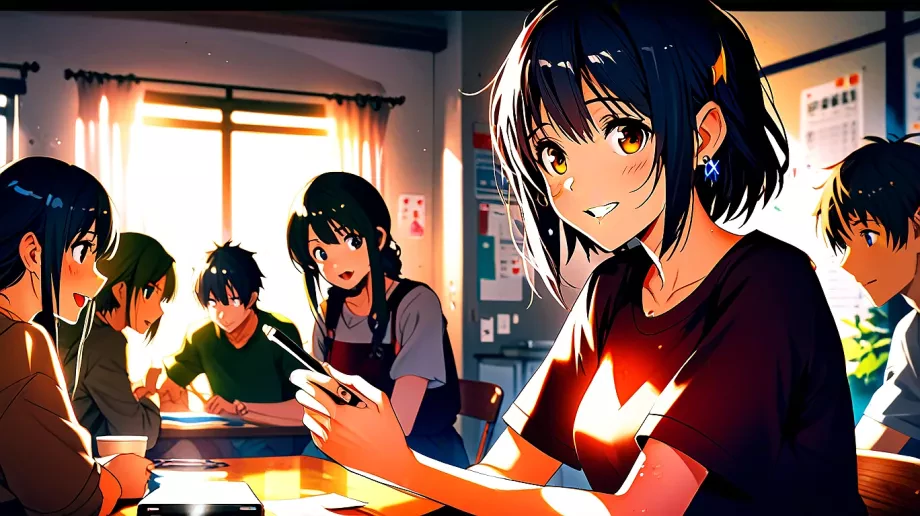
On Wednesday afternoons, in a group with her counselor and other young people, they go over what they've experienced together. Maëva opens Uscope on a tablet or computer, rereads what she wrote, completes it, specifies what she remembers. Her counselor helps her make connections with transferable skills: "You adapted quickly to the team — that's flexibility." "There, you took the initiative to organize the outing — that's a real planning skill."
In Uscope, Maëva links her experiences to soft skills: autonomy, organizational sense, empathy. She gradually sees her profile taking shape, her strengths. And above all, she chooses what she wants to share with a potential trainer or employer.
This isn't a CV. It's her story.
She, who thought she was "hopeless at school," discovers herself to be structured, engaged, full of resources. "It's the first time someone asked me what I learned from what I experienced, not just whether I got a good grade."
What if tomorrow she started a pre-training program in social work? Or became a youth worker? She doesn't know yet. But now, she's moving forward, supported by what she lives and what she knows how to do, not by what was expected of her.
And sometimes, when she feels ready, she explores a professional reference framework in Uscope. She browses the skills required for a profession that attracts her, like childcare worker or socio-cultural youth worker. She checks whether it speaks to her, tries to position herself, identifies what she's already experienced, what she still lacks. "When I read a skill and think: hey, I already did that in the cooking project! — it motivates me." Recently, she recognized herself in: "Working within a team by contributing and asserting one's own professional skills." And it makes her want to go further. These aren't obligations. It's just a way to envision her future, gently.
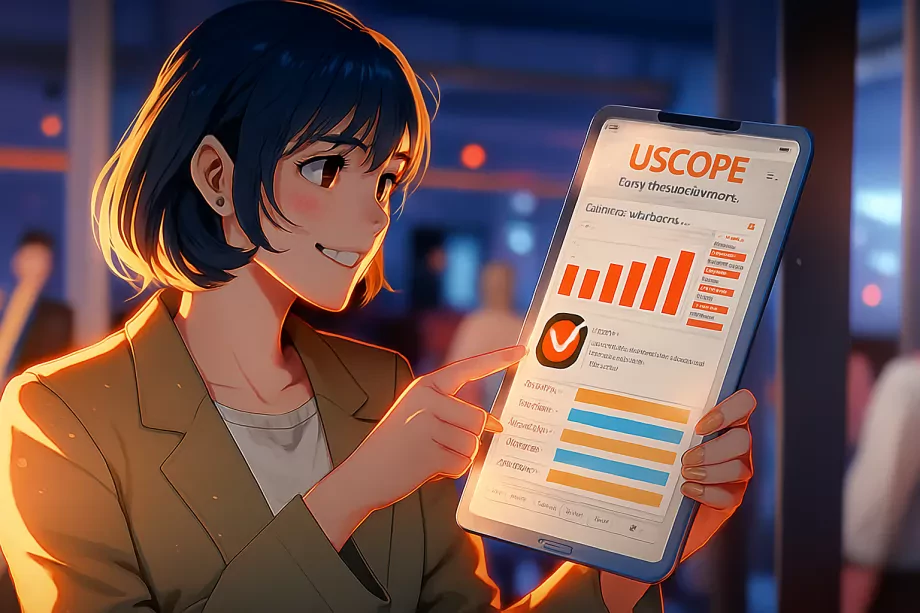
"Before, I felt like I had nothing in my hands. Now, I have Uscope. And I can show who I am."
A story co-written with ChatGPT, from an original idea by the Uscope team. To celebrate unconventional paths, quiet rebuilding, and skills that don't fit into boxes.